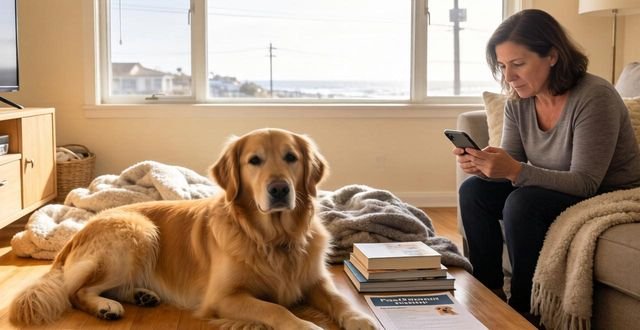
Pet Insurance in Oceanside: Why Waiting Costs More
You are sitting in an exam room at Veterinary Specialty Hospital in Oceanside. Your dog, a healthy three-year-old lab mix until this morning, is now on an IV drip. The vet says the word: surgery. Then the estimate: four thousand dollars. You glance at your phone. No pet insurance. Just a credit card with a two-thousand-dollar limit.
That sinking feeling in your chest? That is the exact moment most people realize they should have signed up six months ago.
Let us rewind. You live in Oceanside. You walk your dog on the beach, dodge the occasional coyote near Buena Vista Lagoon, and pay some of the highest vet bills in San Diego County. A routine dental cleaning here can run seven hundred dollars. An emergency foreign body removal—someone ate a sock—starts at three thousand. And pet insurance? Most people treat it like that gym membership they swear they will use next month.
But here is where things get tricky. Not all pet insurance policies are your friend. Some wear a friendly smile while hiding a loophole the size of a surfboard.
Take the “per-condition” deductible versus “annual” deductible trap. Carrier A offers a low monthly premium—thirty bucks, what a deal. Read the fine print. Every single new illness or injury triggers a separate two-hundred-fifty-dollar deductible. Your dog gets an ear infection in January? Pay two-fifty. He vomits for two days in March? Another two-fifty. Arthritis diagnosis in July? You guessed it. By December, you have paid a thousand dollars before the insurance kicks in a single dime. Carrier B charges forty-five dollars a month but uses an annual deductible. One payment of five hundred dollars covers everything for the year. Which one actually saves you money when that four-thousand-dollar surgery hits?
You see the game now.
The industry loves to talk about “reimbursement rates” like it is a favor. Seventy percent. Eighty percent. Ninety percent. Sounds generous. But that percentage applies after your deductible and after your vet’s exam fees, and only up to a pathetically low annual max. Some policies cap at two thousand five hundred dollars per year. One overnight ICU stay in Oceanside blows through that before breakfast.
And do not get me started on the waiting periods. You think you can just buy a policy the morning your dog starts limping? Most carriers enforce fourteen days for accidents, thirty days for illnesses. Some sneak in a one-hundred-eighty-day waiting period for cruciate ligament injuries—the most common orthopedic problem in active dogs. By the time your policy unlocks, your dog is already scarred and your wallet is empty.
Here is the irony. The people who wait until their pet is older or sick to buy insurance are the very ones who get rejected. Pre-existing conditions. That word should terrify you. Your dog had a single bout of diarrhea last year that you mentioned to the vet? Never diagnosed, no treatment? Too bad. The insurance company will find that passing reference in the medical records and call it pre-existing. No coverage. Ever.

So what does an intelligent pet owner in Oceanside actually do?
First, ignore the group plans sold through your employer’s voluntary benefits page. They look cheap. They are cheap. They also reimburse at sixty percent with a fifteen-hundred-dollar annual max—barely enough for a single X-ray. You are paying for the illusion of protection.
Second, compare three carriers side by side using the same pretend claim. A four-thousand-dollar emergency surgery. Run the numbers with Embrace, Trupanion, and Nationwide. But do not just look at the monthly premium. Ask the agent—a real one, not a chatbot—how each policy handles elimination periods. A shorter waiting period raises your premium but could save you two thousand dollars if your dog eats a corn cob next Tuesday.
Third,consider adding the “wellness rider” only if you have a puppy or a geriatric cat. For an adult healthy dog, that rider is negative expected value. You are prepaying for teeth cleanings at a discount that rarely beats paying cash.
The real answer is not a specific brand. It is a specific date. Buy a policy within thirty days of bringing a pet home. Not after the first scare. Not when your friend’s dog got sick. Today. Because the insurance company knows something you are trying not to admit—your pet will need expensive care. The only question is whether you will pay that bill from your savings or from a claim check.
You walk out of that Oceanside vet hospital carrying your lab mix, still groggy but alive. The bill sits in your email inbox. Unopened. Now imagine a different version of today. The one where you signed up fourteen months ago for a solid accident-and-illness plan with a five-hundred-dollar annual deductible, ninety percent reimbursement, and a fifteen-thousand-dollar annual max. You would pay five hundred dollars. The insurer would cover the other thirty-five hundred.
That version of you is not a genius. That version of you just bought insurance before the emergency, not during it. The difference between those two futures is about forty dollars a month and the willingness to read a contract like a suspicious person reading a used car warranty.
Stop waiting. Your dog does not know what a deductible is. But you do. And now you know exactly how the game is played.
