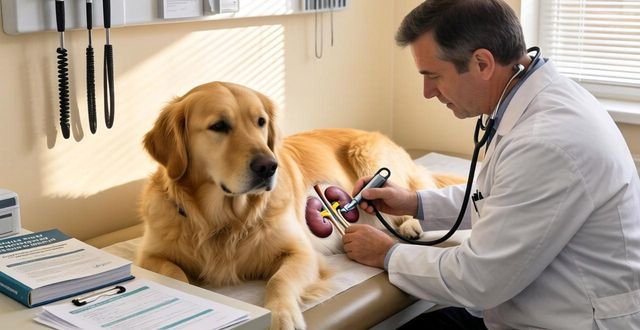
Accident-only pet insurance looks like a bargain: roughly half the premium of a comprehensive policy, covering broken bones, swallowed objects and lacerations. For a specific slice of owners it is genuinely the right purchase. For most, it is an expensive lesson in what actually drives veterinary bills — because the claims that bankrupt pet budgets are overwhelmingly illnesses, not accidents. This guide quantifies the difference and gives you the decision rule.
What accident-only actually covers
Accident-only policies pay for injuries from sudden external events: fractures, bite wounds, cuts requiring sutures, swallowed foreign objects, burns, and toxin ingestion. If it arrives via trauma, it is covered.
What it never covers is any illness — infections, vomiting from dietary causes, ear infections, skin disease, dental disease, cancer, diabetes, arthritis, allergies. The exclusion list is not a list at all; it is everything that is not an accident.
The consequence is structural: a young dog’s first years generate occasional accident claims, but lifetime veterinary spending is dominated by chronic illness arriving from middle age onward. Accident-only policies are cheapest precisely in the years when comprehensive coverage is least needed, and worthless in the years when it matters most.
What comprehensive adds, line by line
Illness coverage: infections, GI disease, urinary disease, endocrine conditions, cancer diagnosis and treatment, dental illness beyond routine cleaning, and hereditary conditions where the policy allows.
The diagnostics that make modern treatment possible — ultrasound, MRI, specialist referrals — ride on illness coverage in most cases. An accident-only policy that pays a $4,000 fracture repair may deny the MRI that diagnosed a spinal illness costing more than the fracture.
Behavioral therapy, alternative treatments and prescription food sit in add-on tiers across carriers. None of them exist in accident-only form.
The price arithmetic, honestly stated
For a mixed-breed dog around 4 years old, accident-only commonly runs $10 to $18 per month while comprehensive runs $30 to $55 — the $600 figure in the title is roughly the annual gap at mid-level coverage.
The gap feels decisive until you price one illness. A single week of hospitalization for gastroenteritis runs $2,500 to $4,500. One episode consumes four to eight years of the premium gap. The bet is not whether insurance is worth it; the bet is whether your pet’s next decade contains one significant illness. For most pets, it does.
Cats shift the math somewhat. Indoor cats have lower accident rates, so accident-only pricing for cats is proportionally cheaper — but indoor cats also generate chronic illness claims (kidney disease, hyperthyroidism, dental) that dwarf their accident exposure.
| Accident-only | Comprehensive (lifetime) | |
|---|---|---|
| Typical premium (4yo dog) | $10–$18/mo | $30–$55/mo |
| Fractures, foreign bodies, wounds | Covered | Covered |
| Illness, infections, GI disease | Not covered | Covered |
| Cancer, diabetes, chronic disease | Not covered | Covered, for life |
| Diagnostics (MRI, ultrasound) | Only if trauma-related | Covered when medically needed |
| Claims you are statistically most likely to file | The minority | The majority |
| Best fit | Tight budgets, excluded pets | Most pets, enrolled early |
When accident-only is the rational choice
Genuinely tight budgets where any premium is money not spent on the pet’s food and care: accident-only is better than nothing, full stop. It converts catastrophic trauma — the hit-by-car bill, the foreign-body surgery — from a euthanasia decision into a repair.
Pets with extensive pre-existing illness exclusions: if chronic conditions are already excluded anyway, the owner is effectively holding accident coverage at a comprehensive price. Downgrading to accident-only and banking the difference is a defensible move.
Owners pairing it with a dedicated veterinary savings account: the hybrid strategy. Accident-only handles the sudden five-figure event; the savings account handles the slower chronic costs. The discipline required is real — the account must actually be funded monthly.
Lifetime versus annual policies — the second half of the decision
Within comprehensive coverage, the annual versus lifetime distinction matters more than most owners realize. Annual policies reset conditions each year: a condition claimed this year can be excluded as “pre-existing” at renewal. Lifetime policies maintain coverage for chronic conditions across the pet’s life, subject to annual limits.
A pet diagnosed with diabetes at age 7 needs 5 to 10 more years of claimable care. On an annual policy, that care vanishes from coverage at the first renewal. On a lifetime policy, it continues within limits. This single clause is worth more than the accident/comprehensive price gap.
The pairing that maximizes value: comprehensive lifetime coverage enrolled early, before any condition can become pre-existing. Every alternative — accident-only, annual resets, late enrollment — is a cheaper premium in exchange for exactly the claims you are most likely to file.
A decision rule in four questions
Could you absorb a surprise $4,000 bill from savings without distress? If yes, insurance of either type is optional; you are buying convenience.
Is your pet young with no documented conditions? Enroll in comprehensive lifetime coverage now — the price only rises and the exclusions only grow with delay.
Does your pet carry heavy pre-existing exclusions already? Price accident-only against what comprehensive would actually pay on your pet’s file.
Will you genuinely fund a savings account monthly? If not, do not choose the hybrid — choose comprehensive and let the premium enforce the discipline.
- Accident-only is half the price and covers the minority of lifetime claims.
- One hospitalization for illness typically erases 4–8 years of premium savings.
- Annual policies can exclude claimed conditions at renewal; lifetime policies cannot.
- Accident-only is rational for excluded pets and genuine budget constraints.
- Enrolling young in comprehensive lifetime coverage dominates every alternative on expected value.
Accident-only premiums assume your pet will avoid significant illness for its whole life. Pet mortality data says otherwise: chronic illness in middle and old age is the norm, not the exception. Buy the coverage that pays on the claims you are actually going to file.
Key takeaways
- Accidents are sudden and rare; illness is gradual and near-universal.
- The premium gap is real but smaller than one moderate illness claim.
- Lifetime comprehensive enrolled early is the structurally superior product.
- Hybrid accident-plus-savings works only with genuine monthly discipline.
- Already-excluded pets are the one clear case for accident-only.
Frequently asked questions
Is accident-only pet insurance worth it?
For pets with heavy pre-existing exclusions, or where even comprehensive premiums are unaffordable, yes. For healthy young pets, comprehensive covers the claims you are statistically most likely to file.
Does accident-only cover swallowed objects?
Yes — foreign body ingestion counts as an accident on most policies and is one of the most common accident claims filed.
Why is comprehensive so much more expensive?
It carries the illness risk, and illness claims dominate veterinary spending across a pet’s lifetime, especially from middle age onward.
Can I upgrade from accident-only to comprehensive later?
Yes, but anything documented before the upgrade becomes pre-existing and excluded. Upgrading after a diagnosis forfeits most of the value.
What is a lifetime pet insurance policy?
A policy that maintains coverage for ongoing chronic conditions across renewals, subject to annual limits — the key protection for lifelong conditions like diabetes or allergies.